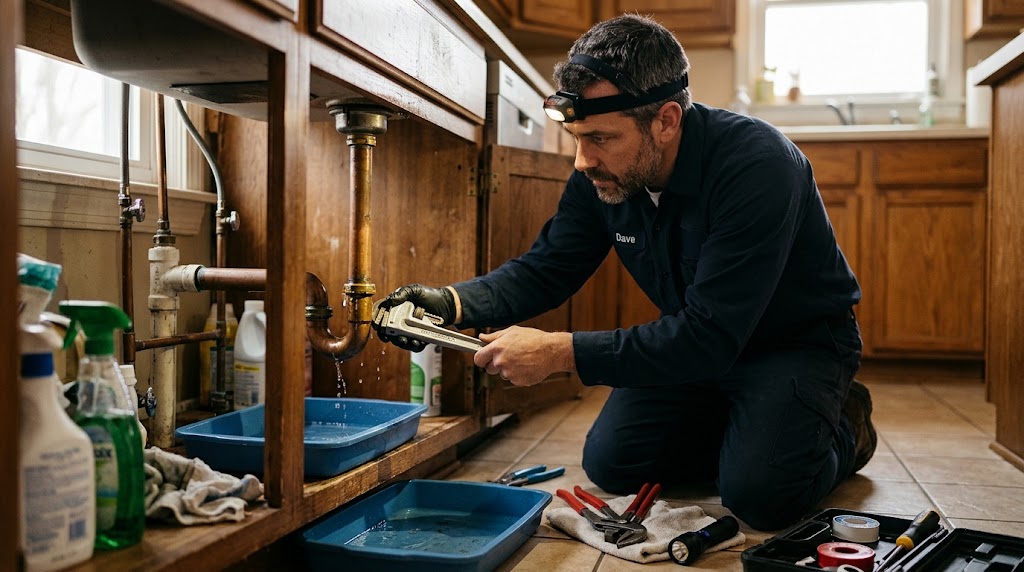
Main sewer line failures threaten home hygiene and foundation stability. We diagnose root intrusions, collapsed lines, and belly misalignments with high-definition camera probes, offering durable repairs.
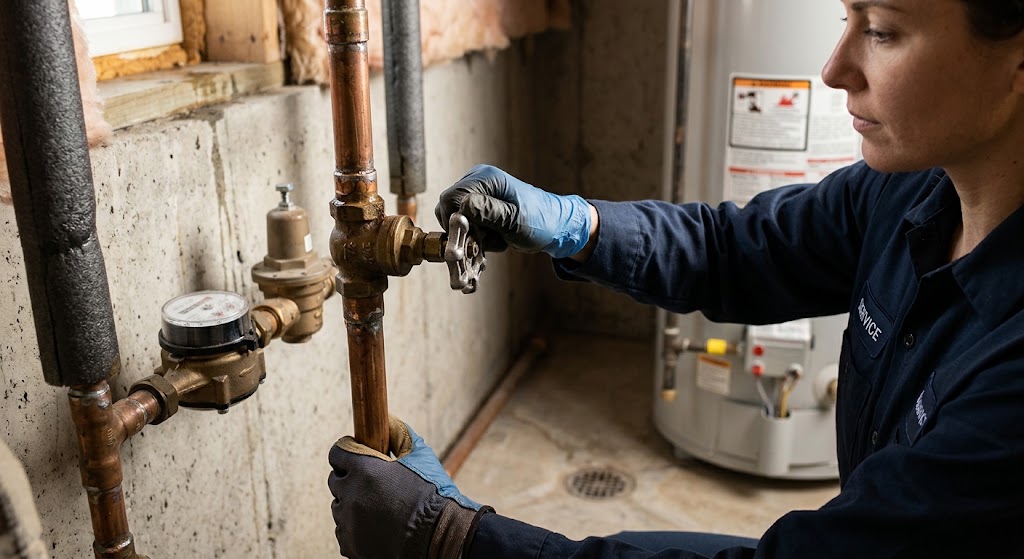
Sewer lateral lines in North Dakota are engineered to travel deep beneath the ground frost line—often seven to nine feet below finished grade to connect into municipal collector mains. In regions like the Red River Valley and Missouri River basin, the surrounding geology features expansive clay layers (such as the Fargo-Ryan silty clay series). These soils contract dramatically during dry summer months and swell with massive hydraulic force during spring snowmelt.
This persistent ground movement places severe shear stress on aging vitrified clay tile, brittle cast iron, and bituminous fiber (Orangeburg) piping installed in older neighborhoods. Tree roots seeking nutrients infiltrate fractured joint collars, creating dense woven root dams that capture toilet paper and solids. Over time, sections can shear entirely, creating negative pipe slope ("bellies") where wastewater pools and creates recurring sewer backups.
We deploy high-resolution color sewer cameras equipped with digital footage counters and 512Hz locating sondes. We trace the camera head above ground to mark the exact depth and spot of pipe failure on your lawn. Depending on the condition of the host pipe, we offer traditional open-trench PVC replacement with gravel bedding or trenchless CIPP (cured-in-place pipe) epoxy relining, which restores a seamless joint-free structural pipe inside the old line without excavation.
Our comprehensive sewer restoration process includes:
Because municipal frost codes require pipes to sit safely below North Dakota's deep freeze depth, residential sewer laterals typically run between 6 and 9 feet deep. This depth makes precision camera locating critical before any excavation to prevent unnecessary digging.
Trenchless sewer repair, often performed via cured-in-place pipe (CIPP) lining, pulls an epoxy-saturated sleeve inside the damaged host pipe and cures it in place. It works exceptionally well in northern climates because it creates a continuous, jointless, root-proof pipe that resists shifting clay soils.
In almost all North Dakota municipalities, the property owner is responsible for the entire sewer lateral pipe from the foundation wall out to the connection at the city main in the street or alley easement. Regular maintenance protects you from costly emergency street repairs.