Plumbing Services in West Fargo, ND
Reliable plumbing solutions for West Fargo homeowners.
Call (888) 205-7875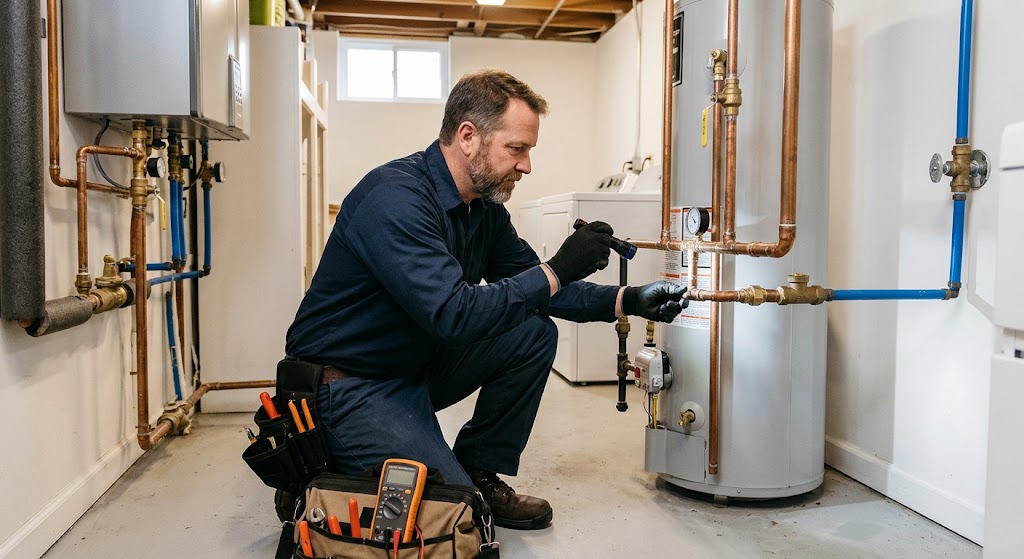
Reliable plumbing solutions for West Fargo homeowners.
Call (888) 205-7875
West Fargo has seen tremendous residential expansion over recent decades. Our technicians specialize in maintaining both modern plumbing infrastructure in master-planned subdivisions and established homes along the Sheyenne River corridor.

West Fargo's geographic position directly along the Sheyenne River diversion and surrounding flat prairieland creates distinct environmental pressures for residential homeowners. The city has experienced rapid residential growth, resulting in thousands of homes with deep poured-concrete basements resting in fine-grained alluvial silt and heavy lacustrine clays. When the Sheyenne River rises during the annual spring thaw, local water tables surge rapidly, putting immense hydrostatic pressure on basement foundations.
Because city regulations require sump pump discharge to be routed outdoors to splash blocks or the municipal storm drainage system from April through October, homeowners must maintain functional discharge lines that prevent pump cycling loops. During early spring thaws, exterior lines can freeze overnight, creating dead-head pump conditions that burn out electric motors. We install freeze-relief discharge portals that guarantee safe runoff under freezing night temperatures.
West Fargo's municipal water infrastructure utilizes a combination of softened surface water and groundwater aquifers. While municipal filtration meets strict drinking standards, seasonal water temperature swings from 38°F in February to 65°F in August create significant thermal cycling inside domestic hot water tanks. We provide comprehensive water heater descaling, anode rod replacements, and power-vent installations built to handle these demanding conditions.
Our localized service protocol for West Fargo properties includes:
The City of West Fargo requires homeowners to direct sump pump discharge outside into yards or storm drain easements between April 1 and October 31 to prevent overloading the sanitary sewer system. During winter months, discharge is routed back into internal drains to prevent surface ice hazards.
When the Sheyenne River rises during spring runoff, surrounding groundwater tables rise simultaneously. Basement sump pumps run almost continuously during this window. Having a secondary submersible pump with an auxiliary battery backup system is critical to prevent flooding during high river stages.
Modern architectural layouts often place kitchen sinks, master bathrooms, or laundry facilities on exterior walls or over unheated garage cantilevers. During sustained prairie wind chills of -30°F, drafty wall cavities can freeze water supply lines despite newer home construction.